5 of the Best Gemstone and Jewellery Museums Around the World

Updated: Sep 22
The best gemstone and jewellery museums do more than place beautiful objects behind glass. They reveal how gemstones form, why certain specimens are exceptionally rare and how cutting, design and history can transform natural material into something extraordinary.
Whether you are fascinated by famous diamonds, unusual mineral specimens or the craftsmanship behind historic jewellery, these five museums deserve a place on your travel list.
Collections, displays and visiting arrangements can change, so always check the museum’s official website before travelling.
1. Natural History Museum, London
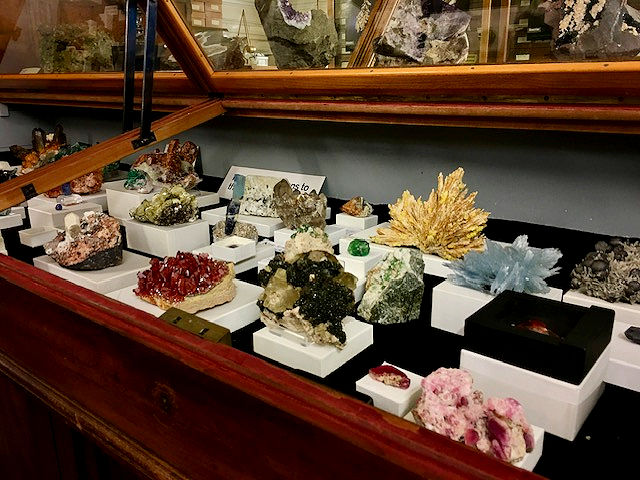
The Natural History Museum’s Minerals gallery feels like stepping back into 1881. Its original oak cabinets contain raw minerals, cut gemstones, meteorites and ornamental objects from around the world.
One of its most memorable exhibits is a flawless blue topaz weighing 9,381 carats. Seeing a gemstone of this scale provides a striking reminder that exceptional mineral specimens can be scientifically important as well as beautiful.
The wider museum also includes the Earth’s Treasury and Vault galleries, where visitors can examine diamonds, sapphires, rubies, emeralds, gold and other geological treasures.
Best for: Historic atmosphere, mineral diversity and comparing rough specimens with finished gemstones.
2. Smithsonian National Museum of Natural History, Washington, DC
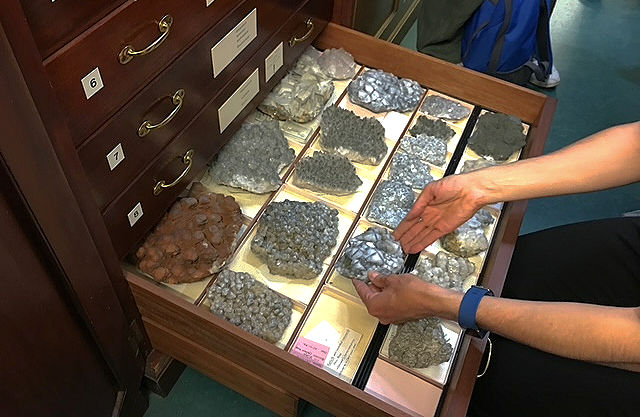
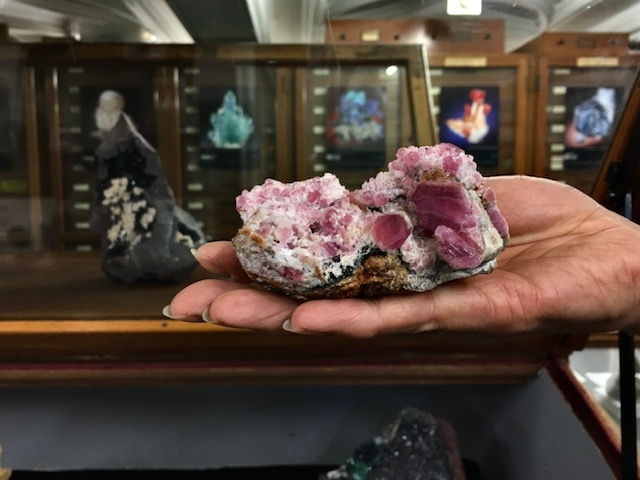
The Janet Annenberg Hooker Hall of Geology, Gems and Minerals houses one of the world’s most recognisable gemstone collections.
Its star attraction is the 45.5-carat Hope Diamond, but it should not overshadow the rest of the collection. Highlights include the 168-carat Mackay emerald and diamond necklace, the Carmen Lúcia ruby and hundreds of remarkable gems and mineral specimens.
The exhibition also explores how minerals form, where they are found and how geological processes concentrate materials such as gold and copper.
A virtual tour is available for anyone unable to visit Washington in person.
Best for: Famous gemstones, jewellery history and understanding the geological origins of gem materials.
3. Gem and Jewelry Museum, Bangkok
Thailand is one of the world’s most important centres for coloured gemstone cutting, treatment and trading, making Bangkok a natural home for the Gem and Jewelry Museum at the Gem and Jewelry Institute of Thailand.
The museum follows the journey of a gemstone from its geological origin and mining through identification, cutting and jewellery manufacture. Its displays help visitors understand crystal systems, gemstone varieties and Thailand’s long relationship with the international gem trade.
This makes it particularly useful for travellers who want to look beyond a gemstone’s finished appearance and understand the processes and expertise behind it.
The institute also provides an online 360-degree GIT Museum virtual tour.
Best for: The journey from mine to market, gemstone cutting and Thailand’s gem-trading heritage.
4. GIA Museum, Carlsbad, California
As a Graduate Gemmologist, I have a particular connection with the Gemological Institute of America and its emphasis on evidence-based gemstone education.
The GIA Museum displays gems, minerals, carvings and jewellery throughout its Carlsbad campus. Exhibitions change over time and may include important mineral specimens, contemporary jewellery, gemstone carvings and objects demonstrating exceptional lapidary skill.
This is a museum where science and artistry sit comfortably together. Visitors can appreciate a gemstone’s beauty while also considering its structure, formation, cutting and identification.
Tours must be reserved, so check the current arrangements before planning your visit.
Best for: Gemmology, lapidary artistry and contemporary gemstone jewellery.
5. Royal Ontario Museum, Toronto
The Royal Ontario Museum’s Earth’s Treasures galleries contain close to 3,000 minerals, gems, meteorites and rocks.
One of the most unusual exhibits is the Light of the Desert, a 900-carat faceted cerussite. Cerussite is extremely soft and fragile, which makes cutting a specimen of this size an exceptional technical achievement.
The galleries also explore minerals, gold, meteorites and modern mining, giving visitors a broader understanding of how geological resources connect with everyday life.
Best for: Exceptional mineral specimens, gems and the wider relationship between geology and mining.
What Gemstone Museums Can Teach Us
Museum collections encourage us to slow down and look more carefully. They demonstrate that size alone does not determine importance, that rarity requires context and that the story attached to a gemstone should be supported by evidence. They also reveal how much skill is required to transform suitable rough material into a well-cut gemstone or beautifully made piece of jewellery.
Most importantly, they help us appreciate the difference between admiring a gemstone and genuinely understanding it.
Frequently Asked Questions About Gemstone and Jewellery Museums
Which museum displays the Hope Diamond?
The Hope Diamond is displayed in the Smithsonian National Museum of Natural History in Washington, DC. It forms part of the National Gem Collection.
Can I explore any of these museums online?
Yes. The Smithsonian offers a virtual tour of its gem and mineral hall, while the Gem and Jewelry Institute of Thailand provides a 360-degree museum experience. Several of the other museums also publish collection highlights online.
Which museum is best for learning about gemstone identification?
The GIA Museum and Bangkok’s Gem and Jewelry Museum are particularly relevant to visitors interested in gemmology, identification, cutting and the journey from rough material to finished jewellery.
Beyond the Display Cabinet
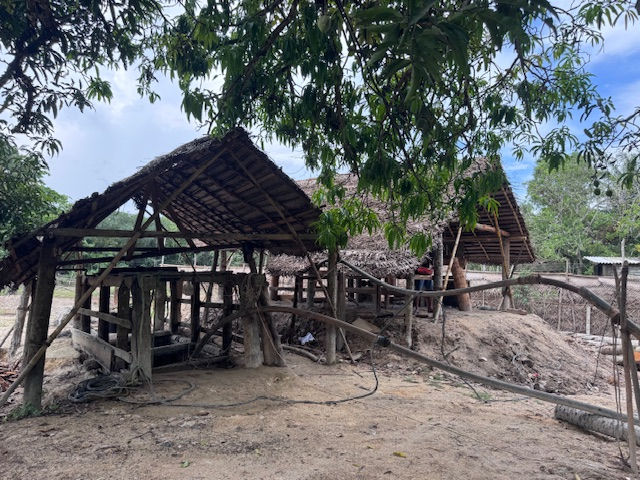
Museums provide a carefully preserved view of gemstones, but understanding the living gem trade requires seeing where stones are mined, cut, exchanged and assessed.
My private Sri Lanka Gemstone Experiences introduce guests to the people, places and processes behind one of the world’s most historic coloured-gemstone industries.
Information reviewed: September 2026. Exhibitions, opening hours and booking arrangements can change, so consult the museum’s official website before travelling.
Kim Rix GG GIA
Independent Gemstone Sourcing Specialist
Gemstone Detective