Online Jewellery Scams: How to Check a Listing Before You Buy

Updated: Sep 14
Online jewellery scams often rely on misrepresenting a piece’s metal, gemstones, maker, origin or value. AI-generated images, copied descriptions and manipulated reviews can make inexpensive or non-existent jewellery appear credible.
This guide explains the checks to make before paying, including seller identity, hallmark information, gemstone descriptions, laboratory reports and the relevance of customer reviews. The aim is not to make you fearful of buying online, but to help you verify what is actually being offered.

How False Trust Is Created Online
Online jewellery scams do not follow one fixed model. Misleading listings may combine fabricated reviews, copied business details, unrealistic product images and false claims about gemstones or precious metals.
Fake Reviews and Brushing
“Brushing” involves sending an inexpensive item that was never ordered, then using the recipient’s details to create a false review or increase apparent sales activity. More broadly, reviews may be fabricated, duplicated or unrelated to the jewellery being offered.
Check whether reviews describe the actual item, include credible customer photographs and appear across a realistic period of time.
AI-Generated or Misappropriated Product Images
Deceptive listings may use AI-generated, heavily edited or copied photographs to present jewellery that does not accurately represent the item supplied. Descriptions can also be generated or copied to imitate the language used by established jewellers.
A convincing image is not evidence of a piece’s materials, workmanship or existence. Look for consistent photographs, clear specifications and identifiable information about the seller.
Misrepresented Metals and Gemstones
Check whether the listing clearly distinguishes between:
solid gold, gold vermeil and gold-plated metal
natural, laboratory-grown and imitation gemstones
individually made and mass-produced jewellery
Marketing terms such as “luxury”, “premium” or “heirloom quality” do not confirm what an item is made from. The description, documentation and hallmark information must support the price being asked.
Why Online Jewellery Misrepresentation Matters
Fine jewellery is often connected with an engagement, inheritance, anniversary or important gift. If its metal, gemstones, maker or value are misrepresented, the buyer may pay significantly more than the item warrants and receive something unsuitable for its intended purpose.
Clear specifications, verifiable documentation and an identifiable seller matter more than persuasive marketing. For a significant purchase, my Buyer Protection service provides independent, in-person support before you commit.
⛔Warning Signs to Check Before Buying
Pause before purchasing if you find:
reviews that do not describe the jewellery being offered
identical wording appearing across reviews or products
no verifiable business name, address or returns information
unclear distinctions between solid, vermeil and plated metal
no clear photograph or explanation of the hallmark
vague gemstone terms without identity or treatment information
a laboratory report that cannot be verified with the issuing laboratory
pressure to pay quickly or through a method offering limited buyer protection
In the UK, items described as gold, silver, platinum or palladium generally require a recognised hallmark when their precious-metal content meets the statutory weight threshold.
The thresholds are 1 gram for gold and palladium, 7.78 grams for silver and 0.5 grams for platinum. Other exemptions can apply, so check the official guidance when necessary.
These thresholds are confirmed by current UK government guidance.
Slow Down Before You Commit
Online marketplaces can make it difficult to establish who created, supplied or verified a piece of jewellery. Platform reviews and buyer-protection policies are useful, but they do not replace checking the seller, product description and supporting documents yourself.
Taking time to verify the details helps you compare the claim with the evidence and decide whether further independent advice is needed.
Six Checks Before Buying Jewellery Online
1. Verify the Seller
Look for a legal business name, physical address, clear contact details, returns policy and an independent trading history. A marketplace profile alone may not establish who is responsible for the sale.
2. Read the Specification Carefully
Confirm the metal, fineness, plating, gemstone identity, treatments, dimensions and total weight. Save a copy or screenshot of the listing before purchasing.
3. Examine the Hallmark Information
Ask for clear photographs of the complete hallmark where UK hallmarking requirements apply. A fineness number such as “750” on its own is not the same as a complete UK hallmark.
4. Verify Gemstone Documentation
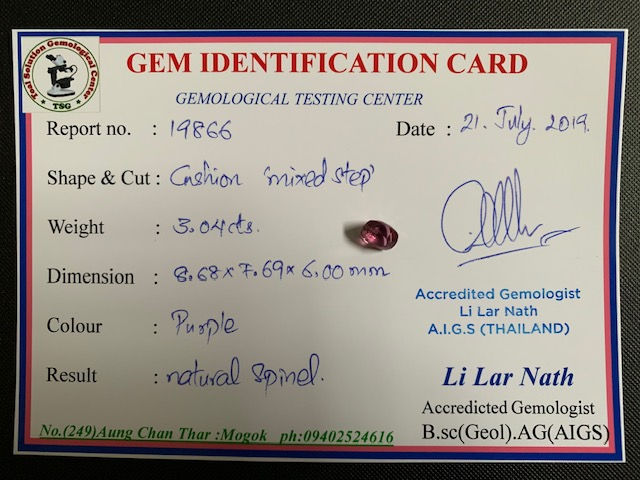
If a laboratory report is supplied, verify its number directly with the issuing laboratory and compare its details with the gemstone.
5. Assess the Reviews
Look beyond the star rating. Check whether reviews discuss the actual jewellery, whether customer photographs correspond with the listing and whether wording is duplicated across different products.
6. Check Payment and Returns Protection
Read the returns policy before paying and use a payment method offering appropriate buyer protection. Keep the listing, correspondence, invoice and payment record.
When Independent Support Makes Sense
For a significant gemstone or jewellery purchase, photographs and paperwork may not provide enough information to assess what is being offered. Physical examination by a suitably qualified professional or independent laboratory testing may be needed.
My in-person Buyer Protection service helps buyers examine the seller’s claims, documentation and the gemstone itself before committing. I work for the buyer, not the seller, and will explain when further specialist testing is appropriate.
Explore Buyer Protection
Kim Rix GG GIA
Independent Gemstone Sourcing Specialist
Gemstone Detective