Gemstone Traceability in Sri Lanka: Inside Kelly Gems International

Updated: 6 hours ago
Buying a gemstone can raise difficult questions: Is the stone natural? What treatments have been disclosed? Can its stated origin be supported? Traceability systems can add useful evidence by recording parts of a gemstone’s journey, but buyers still need to understand exactly what has, and has not, been independently verified.

What Does Gemstone Traceability Actually Mean?
Gemstone traceability refers to the records and systems used to document a stone’s movement through the supply chain. Depending on the system, this may include information about its source, ownership, cutting and later transactions.
Traceability can improve transparency, but it does not automatically prove fair labour practices, environmental responsibility or every claim made about the stone. Buyers should ask which stages were recorded, who supplied the information and what was independently verified.
Why Documentation and Laboratory Reports Matter
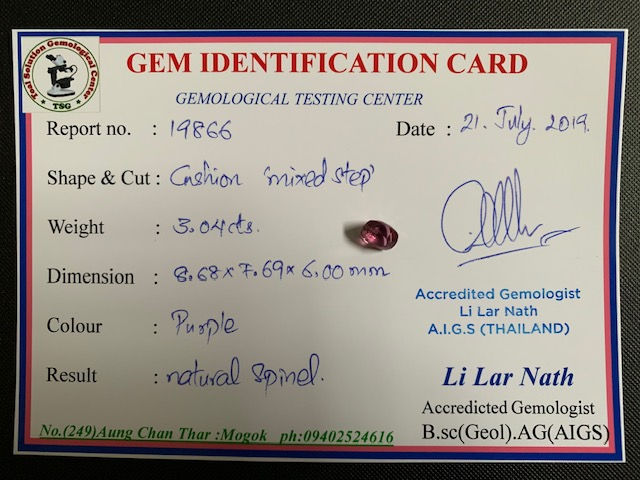
Documentation can help buyers understand the claims attached to a gemstone, but different documents serve different purposes. A laboratory report may address identity, treatment and sometimes origin, while a traceability record may document parts of the supply chain.
Neither should be treated as a blanket guarantee. Check who issued each document, what evidence it relies on, whether the information can be verified and which questions remain unanswered.
How Kelly Gems International Approaches Traceability
When I met Kelly Liu, founder of Gemstone Traceability by Kelly Gems International in Beruwala, she explained how her business uses traceability records to give buyers more information about a gemstone’s documented journey.
Kelly explained that her business uses tools associated with Gübelin’s Provenance Proof initiative to help document that journey. This can add useful context, but buyers should distinguish traceability data from a gemmological laboratory report and from broader claims about labour or environmental practices.
What This Means for You as a Buyer
A traceability system may provide:
more information about the gemstone’s stated source and chain of custody
a record of the stages or parties captured by the system
supporting documents that can be checked alongside a laboratory report
clearer evidence to assess before deciding whether the claims are sufficient
Its value depends on the scope, quality and independent verification of the records provided.
Tips Before You Buy a Gemstone
Ask the seller:
What type of document is this: a laboratory report, provenance record or seller statement?
Who issued it, and can its reference number or record be independently checked?
Which stages of the gemstone’s journey are documented, and where are the gaps?
Does the laboratory report address identity, treatment and origin, and what wording does it use?
These questions cannot guarantee a good purchase, but they help distinguish supporting evidence from marketing claims.
Frequently Asked Questions
What is gemstone traceability?
Gemstone traceability uses records or technology to document parts of a stone’s journey through the supply chain.
Is a traceability record the same as a laboratory report?
No. A laboratory report may address identity, treatment and sometimes origin. A traceability record documents information supplied about the stone’s journey or chain of custody.
Does traceability prove that a gemstone was ethically sourced?
Not automatically. Its reliability depends on what was recorded, who supplied the information and whether the claims were independently verified.
What should buyers check?
Check who issued each document, which stages are covered, whether reference numbers can be verified and whether any gaps remain.
Does documented provenance guarantee a gemstone’s value?
No. Provenance may add useful context, but quality, treatment, rarity, demand and the individual stone still influence price.