
High-Value Gemstones: What Serious Buyers Should Know

Updated: 6 days ago
Before You Buy a High-Value Gemstone
Most gemstones are beautiful, but only a small proportion combine rarity, quality, size, treatment status and documented provenance to command an exceptional price.
A high asking price does not automatically make a gemstone exceptional. Before a significant purchase, establish what the stone is, what evidence supports the seller’s claims and whether its qualities genuinely suit your purpose and budget.

What Makes a High-Value Gemstone Exceptional
There is no single checklist that makes a gemstone high-value. Depending on the species and the buyer’s purpose, relevant factors may include:
natural or laboratory-grown status;
colour, tone and saturation;
clarity, transparency and durability;
quality of cutting and light performance;
size and rarity;
treatment status and disclosure; and
reliable documentation and, where relevant, a laboratory report.
A laboratory report can provide important factual information about identity, treatments and sometimes geographic origin. It does not, by itself, determine beauty, suitability or price.
Ruby, Sapphire and Emerald: Different Quality Considerations
Ruby, sapphire and emerald are often discussed in high-value gemstone buying, but each must be assessed on its own characteristics. There is no universal price threshold: quality varies widely within every species and origin.
Ruby
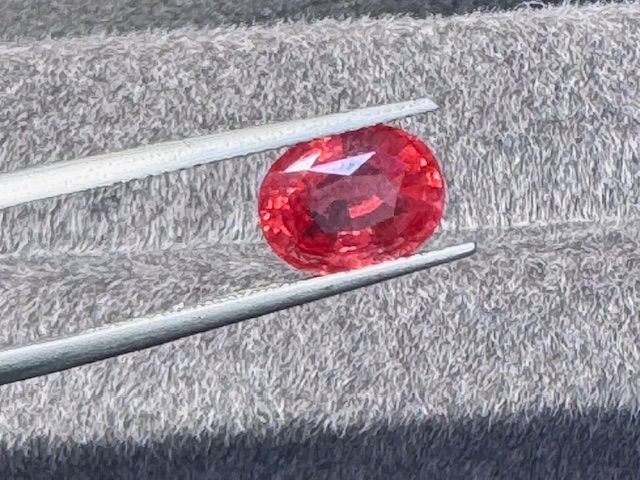
Fine ruby is among the most challenging coloured gemstones to source at a high level. Vivid red colour, strong saturation, good transparency and effective cutting can make a ruby highly sought-after. Myanmar and Mozambique are notable sources, but origin alone does not guarantee quality. Treatment, clarity, durability and reliable documentation must all be assessed in context.
Sapphire
Sapphire pricing is complex because stones that appear similar can differ substantially in colour, clarity, cut, treatment and overall balance. Sri Lanka is a respected source, while Kashmir remains historically significant, but a famous origin does not guarantee quality. Assess the individual stone in varied lighting and confirm the treatment information and any origin claim with appropriate documentation.
Emerald
Emeralds often contain natural internal features known as jardin. Assessment should consider colour, tone, saturation, transparency, clarity, cutting, durability and treatment, particularly oiling or fracture filling. Colombian emeralds are highly regarded, but origin alone does not guarantee quality; the individual stone and its documentation matter.
Why There Is No Universal Carat Threshold
Carat weight alone does not determine whether a ruby, sapphire or emerald is exceptional. A smaller stone with outstanding colour, transparency and cutting may be more desirable than a larger stone with weaker qualities.
As size increases, fine material often becomes scarcer, but the point at which a stone becomes highly sought-after varies by species, origin, treatment status, quality and market conditions. Avoid making a purchase decision based on a simplistic carat threshold.
Why Colour Matters, but Is Never the Whole Story
Colour is often the first feature a buyer notices and can be a major influence on desirability. However, assess colour alongside tone, saturation, clarity, transparency, cut, treatment, size, durability, and the buyer’s purpose.
A vivid, balanced colour may be highly attractive, but no single characteristic establishes quality or price on its own. Compare stones in different lighting and consider the complete combination of qualities before deciding.
Why Fine Material Is Difficult to Find
Geology rarely produces a large gemstone with strong colour, good transparency, limited damaging fractures and excellent cutting potential at the same time. As size increases, compromises often become more likely.
That is why fine material can be difficult to source. However, rarity must be demonstrated by the stone’s actual characteristics and reliable evidence, not assumed from size, origin or an impressive sales description.

Treatments: What Buyers Need to Understand
Many coloured gemstones have been treated to improve their appearance. Treatments such as heating, oiling or fracture filling can be acceptable when properly disclosed, but they affect how a stone should be understood, cared for and compared with other material.
Ask exactly what treatment has been applied, whether it is stable and how it has been documented. Do not assume that “untreated” automatically means better; the importance of treatment depends on the gemstone, the quality achieved and your reason for buying.
Why Buying at Source Does Not Remove Risk
Buying close to the source can improve access and context, but it does not guarantee authenticity, better pricing or ethical provenance.
You still need to assess the individual gemstone, seller, treatment disclosure, documentation, payment terms and export requirements. Local knowledge is valuable, but it should support careful verification rather than replace it.
Why Laboratory Reports Matter
For a significant gemstone purchase, an independent laboratory report can provide important information about species or variety, whether the stone is natural or laboratory-grown, treatments and, in some cases, geographic origin.
Reports from respected laboratories such as GIA, Gübelin or SSEF can support a buying decision, but they do not determine beauty, suitability, ethical provenance or price. Check that the report number matches the gemstone and keep the original documentation with your purchase.
Using Auction Results Carefully
Auction results can illustrate what collectors have paid for exceptional gemstones, but they are not a price guide for ordinary stones. Results are influenced by quality, treatment, provenance, documentation, presentation, buyer competition and auction fees.
A headline sale should never be treated as a guaranteed resale value or as evidence that a similar-looking gemstone is worth the same amount.
Why Purpose Matters When Buying
Some buyers collect gemstones, while others are choosing a stone for jewellery, an engagement ring, a milestone or a future heirloom. No single purpose is better than another.
Define what the gemstone needs to do before you buy. Your purpose will influence the appropriate balance of colour, durability, size, treatment, documentation, budget and design.
Final Thoughts
A high-value gemstone is defined by the combination of its actual qualities, reliable evidence and suitability for the buyer’s purpose. Size, colour, origin and a laboratory report each provide useful information, but none tells the whole story alone.
Take time to establish what you are looking at before money moves. If you are considering a significant purchase, my independent gemstone advisory service can help you understand the options and plan your next step.


